- Banking
Business Credit, Debit & Expense Cards Explained
Credit cards allow businesses to borrow funds, while debit cards use money already available in your account.
Business credit cards may offer rewards such as cashback and points programmes, but often require credit checks and personal guarantees.
Business debit cards are linked to a bank account, limiting spend to available funds.
Prepaid and expense cards help control employee spending by setting fixed budgets.
Zeller Expense Cards offer fast setup, spend controls, and real-time visibility over team expenses.
Issuing payment cards to employees for business-related spending is a simple way to manage expenses.
What’s less simple is understanding the different card types available. From business debit cards to credit cards, prepaid cards, and expense cards, there’s a lot to consider. Below, we explain the key differences between the most common options and outline their pros and cons.
A note on debit vs. credit.
Before we get started, it’s important to remember the following. Credit cards let you borrow money. Debit cards let you spend money you already have.
Business credit cards
Business credit cards are designed to cover work-related expenses using funds borrowed from a bank. They often offer rewards such as cashback or points programmes and are available to businesses of all sizes, typically without minimum revenue or spending requirements.
They do, however, require a credit check and often a personal guarantee, meaning the business owner is personally liable for any debt. Because of the risk of misuse, business credit cards are usually held by business owners or authorised personnel, rather than being issued to employees.
Corporate debit cards & business debit cards
A corporate debit card, or business debit card, is linked to a business account. When a transaction is made, funds are deducted from the available balance of the account. When you open a business bank account, you’ll typically receive a debit card.
Unlike credit cards, debit cards are not linked to a line of credit, and spending is limited to the funds available. Most providers don’t offer the ability to easily set or adjust spend limits on individual cards, meaning anyone with access to the card may be able to access the full balance.
Prepaid cards & expense cards.
A corporate prepaid card, also known as a business or employee expense card, is a payment card that is preloaded with funds, allowing businesses to control employee spending. These cards are typically easy to set up, with minimal application requirements.
Prepaid cards are managed by the finance team or business owner, topped up as needed, and assigned to employees to give them controlled access to company funds.
Zeller Expense Cards
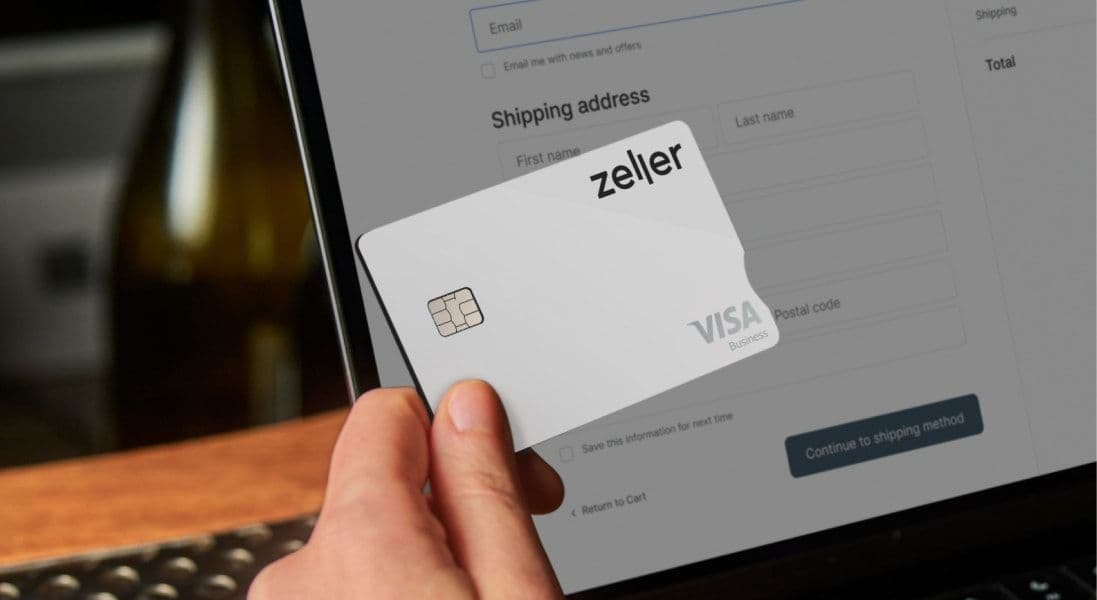
Similar to prepaid cards, Zeller Expense Cards are designed to help businesses track and control spending while giving employees a secure and flexible way to pay. These cards are linked to your Zeller Business Account and are managed by your finance team or business owner, who can set spend limits per transaction or over specific time periods - such as daily, weekly, fortnightly, monthly, or quarterly.
Additional cards are easy to issue. Virtual cards can be created instantly from the Zeller Dashboard or Zeller App and assigned to employees as needed.
Zeller Expense Cards:
Do not require a credit check,
Can be set up in minutes.
Allow you to set spend limits and recurring budgets, reducing admin time.
Provide added security if cards are lost or stolen.
Are accepted anywhere Visa is accepted.
Do not need to be topped up - cards draw funds directly from your Zeller Business Account within predefined limits.
What card types are best for managing team spending?
While some businesses share a single company card between employees, this approach is not recommended. It increases the risk of the card being lost and can lead to company funds being used inappropriately. When choosing a card for managing team expenses, it’s important to use one designed for that purpose.
Business credit cards can be a suitable option, but their eligibility requirements can make them less accessible for many businesses. A more practical approach is to use prepaid or expense cards - or, ideally, Zeller Expense Cards.
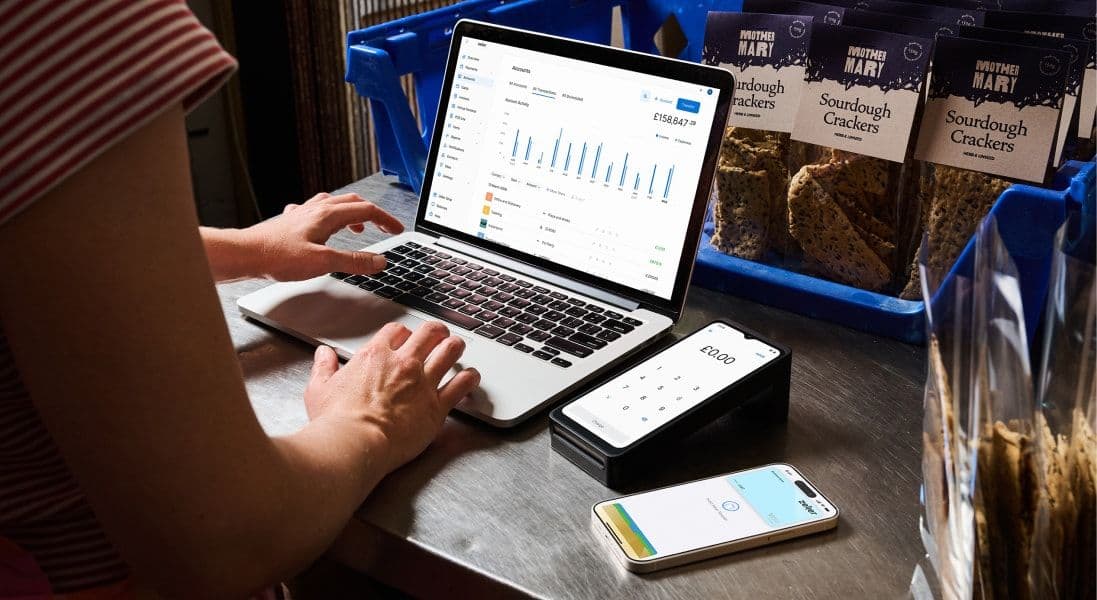
These options give employees the flexibility to pay for work-related expenses, while keeping you in control of how much they can spend. With Zeller Expense Cards, you benefit from built-in expense management features that allow employees to upload receipts against transactions, and give you full visibility and control over spending from your desktop or the Zeller App.
Additional cards are easy to issue, and virtual cards can be added to mobile wallets for fast, secure payments.